Noticing changes in an aging parent can be emotional, especially when they value independence and privacy. Home care for aging parents is not about taking control away. It adds practical in-home support so daily life feels safer, steadier, and more comfortable. These five signs can help you decide when caregiving for seniors may need to move from family help to a more regular senior home support plan.
How do you know when aging becomes a care concern?
Everyday aging can bring slower movement, forgetfulness, or low energy. A care concern starts when those changes affect safety, hygiene, meals, medicine, or social contact. One issue alone may not mean your parent needs home care. Repeated patterns matter more. Good senior care advice is to watch for change over time, speak to your parent, and explore home care solutions before a crisis forces a rushed choice.
1. Household tasks are getting harder
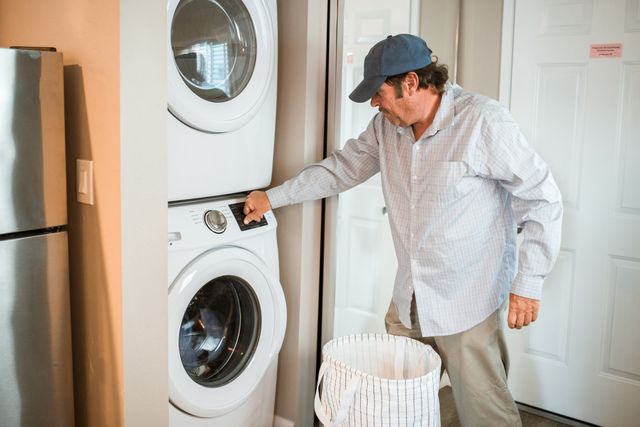
A once-tidy home that now feels very cluttered, dirty, or neglected can be an early sign that your parent is struggling. You might see unopened mail, spoiled food, laundry piling up, dishes in the sink, or repairs that never get reported. These changes can point to fatigue, mobility limits, vision changes, memory problems, or simple burnout from daily chores.
In-home support can protect dignity by helping with the jobs that have become tiring. Light housekeeping, meal prep, laundry, organization, and regular check-ins may let your parent stay in a familiar home without feeling overwhelmed. This kind of senior home support works best when it feels like help, not judgment.
Signs to watch for:
- Trash, laundry, or dishes piling up between visits
- Expired groceries, little fresh food, or missed meals
- Bills, notices, or key papers left unopened
- A clear drop in home safety or cleanliness
- Your parent seeming tired, defensive, or embarrassed about chores
2. Personal hygiene or appearance has changed
Changes in grooming can be subtle. Your parent may wear the same clothes again and again, skip baths, ignore dental care, or stop routines that once mattered. This can happen for many reasons, but it often means a task has become confusing, tiring, uncomfortable, or unsafe.
Bathing is one of the most sensitive parts of caregiving for seniors because it involves privacy, balance, and risk. A parent may avoid showers because they fear falling, cannot step into the tub safely, or feel unsteady while standing. They may also struggle with buttons, zippers, shaving, hair care, or the order of a normal routine.
Home care solutions can offer quiet, respectful help with personal care. The goal is not to rush your parent. It is to help them feel clean, comfortable, and confident. When this support is patient and calm, it can reduce family stress and protect independence.
3. Mobility, balance, or fall risk is growing

If your parent leans on furniture, avoids stairs, moves more slowly, or has unexplained bruises, mobility may be getting harder. Falls can happen fast. Fear of falling can also make seniors move less, go out less, and lose confidence. Even small changes in walking deserve attention when they affect daily life.
In-home support can lower risk by helping with transfers, walking, errands, and movement around the house. A caregiver may also spot hazards like loose rugs, poor lighting, cluttered paths, or items stored too high or too low. Home care does not replace medical care, but it can add another set of eyes and steady help.
A practical safety check can ask whether your parent can:
- Get in and out of bed safely
- Use the bathroom without rushing or grabbing unstable surfaces
- Prepare food without standing too long
- Move from room to room without tripping
- Enter and leave the home safely for visits or errands
If several answers are no, senior home support may be worth talking about soon.
4. Medication, meals, or appointments are being missed
Missed medicine, skipped meals, forgotten visits, or confusion about instructions can signal that your parent needs more regular support. These problems may come from memory changes, low appetite, depression, vision trouble, transport problems, or a schedule that is too hard to track. Whatever the cause, health and quality of life can suffer.
Home care for aging parents often includes reminders and routine support that keeps the day on track. A caregiver can help prepare meals, encourage fluids, give appointment reminders, help plan rides, and notice when something seems off. For many families, this lowers the stress of trying to manage everything from far away or between work and family needs.
This is also a good time to simplify. Use a clear calendar, organize medication as a healthcare professional recommends, keep emergency contacts visible, and make one shared list of appointments. These steps work even better with regular home care solutions.
5. Your parent is becoming isolated or withdrawn
Aging is not only physical. If your parent stops calling friends, skips familiar activities, loses interest in hobbies, or talks less, isolation may be hurting well-being. You may notice shorter calls, less interest in food, more sleeping, or words that sound lonely or hopeless.
Social withdrawal can happen after the death of a spouse or friend, after illness, when driving becomes hard, or when daily tasks take too much energy. It can also happen when a senior feels embarrassed about needing help. Caregiving for seniors can provide both company and practical support, giving your parent another trusted person to talk with.
Senior care advice often focuses on safety, but emotional connection matters too. A caregiver who helps with a walk, meal, activity, or conversation can bring structure to the day. Even a few visits each week may help your parent feel less alone while giving family peace of mind.
Choosing the right next step

If you notice one or more of these signs, start with a calm talk rather than a rushed warning. Pick a quiet time, share specific examples, and ask how your parent feels about help with the hardest parts of the day. Framing home care solutions as support for independence can make the idea easier to accept.
Helpful first steps:
- Write down the changes you have seen over the last few weeks or months.
- Ask which daily tasks feel most tiring, frustrating, or unsafe.
- Speak with healthcare professionals if health, memory, or medication issues are involved.
- Look at flexible in-home support options, starting with the biggest needs.
- Revisit the plan often, because care needs can change.
The right support does not have to start all at once. Many families begin with companionship, meal help, light housekeeping, or transportation, then adjust as needs become clearer.
A thoughtful care plan protects independence
Needing help at home does not mean your parent has failed. It does not mean family members have failed either. It simply means daily life has changed, and the support system should change too. By noticing warning signs early and exploring home care for aging parents with patience, you can help your loved one stay safer, more comfortable, and more connected in the place they know best.
Q&A
- Does one warning sign always mean my parent needs home care?
No. The article focuses on repeated patterns over time, not one isolated issue. A missed visit or messy room alone may not be enough. Ongoing changes that affect safety, hygiene, meals, medicine, or social contact deserve attention. - How can I bring up home care without making my parent feel judged?
Start with a calm, respectful talk at a quiet time. Share what you have seen, ask which tasks feel hard or unsafe, and present in-home support as a way to protect independence, not take it away. Practical help like meal prep, light housekeeping, or rides often feels less threatening. - What kinds of help can in-home support provide?
In-home support may include light housekeeping, laundry, meal prep, hygiene help, companionship, mobility support, appointment reminders, hydration support, and help with errands or transportation planning. The best mix depends on which daily tasks have become difficult or unsafe. - When should healthcare professionals be involved?
Talk with healthcare professionals when changes involve medicine, memory, mobility, nutrition, mood, or general health. Home care can add daily support and observation, but it does not replace medical evaluation when falls, confusion, depression, or medication concerns may be present. - Is it better to start home care slowly or all at once?
Many families start slowly with the biggest needs, such as companionship, meal help, housekeeping, or transportation. A small start gives your parent time to adjust and helps the family see what level of senior home support is truly useful. The plan can be updated as needs change.